UC Davis Classes

Kobuk River 2008

This Ecogeomorphology course examined the most critical issue facing arctic and sub-arctic aquatic ecosystems: global climate change. Students conducted a two-week field study of the Kobuk River watershed, located above the Arctic Circle in northern Alaska.

Grande Ronde River 2007

The lower Grande Ronde River, which flows through regions with distinctly different geomorphic and climatic conditions, provided a great opportunity to examine the nature of longitudinal gradients in terrestrial and aquatic ecosystem characteristics.

Green River 2006

In spring quarter of 2006, this Ecogeomorphology course studied the Green River from the tailwaters below Flaming Gorge Dam through the Gates of Lodore, past the confluence with the unregulated Yampa River, ending at Split Mountain in Dinosaur National Monument.

Grand Canyon 2005

An experimental release from Glen Canyon Dam in November of 2004 created a unique opportunity to examine the geomorphic and ecologic response of releases on the health of Grand Canyon ecosystems.

Skeena River 2004

Students from diverse backgrounds worked in cooperative research teams to collect and analyze field data from the Skeena River watershed (British Columbia), one of the largest un-dammed rivers in North America . Students studied patterns of geomorphology, hydrology, aquatic macroinvertebrates, and salmonid diversity in multiple tributaries to the Skeena River.

Scott River 2003

Students from diverse backgrounds worked in collaborative research teams to collect and analyze field data from the Scott River watershed, a tributary to the Klamath River system. Teams reported on a key ecological issue within the watershed: what characterizes rearing habitat for juvenile Coho salmon in the Scott River watershed and how can this be applied to on-going restoration strategies?

Copper River 2002

Taught for the first time in 2002, the Shlemon Field Ecogeomorphology Course focused on the interdisciplinary analysis of the Copper River watershed in Alaska. This two week excursion provided students with an immersive experiential experience to study the geology, hydrology, ecology, and fisheries of the Copper River.

Yampa-Green 2019

The course examined the ecology, geomorphology, and management of the unregulated Yampa River in comparison to the regulated Green River, with participation from undergraduate and graduate students across various scientific disciplines. Through classroom instruction, literature reviews, and a seven-day rafting expedition on both rivers, students conducted field data collection and analysis as a culmination of their study.

Tuolumne River 2009

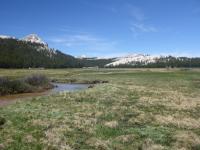
This class was a field-based multidisciplinary study of the ecology, geomorphology and management of rivers in the Sierra Nevada mountains of California, with a focus on the Tuolumne River watershed.