UC Davis Classes

Tuolumne River 2015

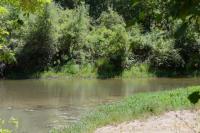
This class was a field-based multidisciplinary study of the ecology, geomorphology and management of rivers in the Sierra Nevada mountains of California, with a focus on the Tuolumne River watershed.

Grand Canyon 2015

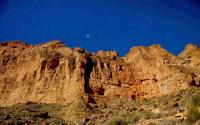
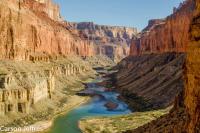
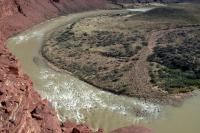
This 3 unit graduate seminar will 1) familiarize student participants with the geology, ecology and management issues associated with the Grand Canyon and Colorado River in the context of global change, and 2) encourage students to become class “experts” in some critical issue or concept relevant to river science in the context of global change.


Grand Canyon 2014

This 3 unit graduate seminar will 1) familiarize student participants with the geology, ecology and management issues associated with the Grand Canyon and Colorado River in the context of global change, and 2) encourage students to become class “experts” in some critical issue or concept relevant to river science in the context of global change.

Tuolumne River 2014

This class was a field-based multidisciplinary study of the ecology, geomorphology and management of rivers in the Sierra Nevada mountains of California, with a focus on the Tuolumne River watershed.

Tuolumne River 2013

This course introduced advanced undergraduate and early graduate students to multidisciplinary collaborative watershed and stream analysis through combined laboratory and field study of a selected river system. Topics relating to management of river systems were discussed throughout with emphasis on the management of Sierra Nevada rivers in California.

Grand Canyon 2013

Similar to past Ecogeomorphology classes, this year's Graduate class studied the geology, ecology and management of the Colorado River through the Grand Canyon.

Grand Canyon 2012

This year's goal: to get to know some geology, ecology, and management issues of the Colorado River in the Grand Canyon.

Chilko-Chilcotin-Fraser Rivers 2011

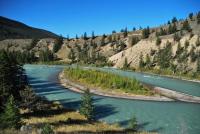
This year's ecogeomorphology course studied the geology, hydrology, and ecology of headwater lakes and river systems of the Chilko-Chilcotin River system in British Columbia, Canada.

Geomorphology: Santa Cruz Island 2010

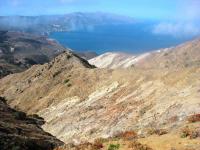
The Northern Channel Islands of the Southern California Bight offer a unique opportunity to study the interplay between terrestrial and nearshore processes in an active tectonic setting. These islands are part of the western Transverse Ranges, formed by regional deformation and rotation adjacent to the San Andreas Fault. Santa Cruz Island is the largest of these islands.

Water Management and the Tuolumne River 2010

This applied workshop featured analyses of contemporary environmental problems in a multidisciplinary fashion. Students were exposed to both environmental science and policy, tackling some of the toughest issues facing California: water resources, multiple downstream demands, and climate change adaptation. By using the Tuolumne River as a case study, students had the opportunity to learn about the history and future of this landmark river in our nation's history.